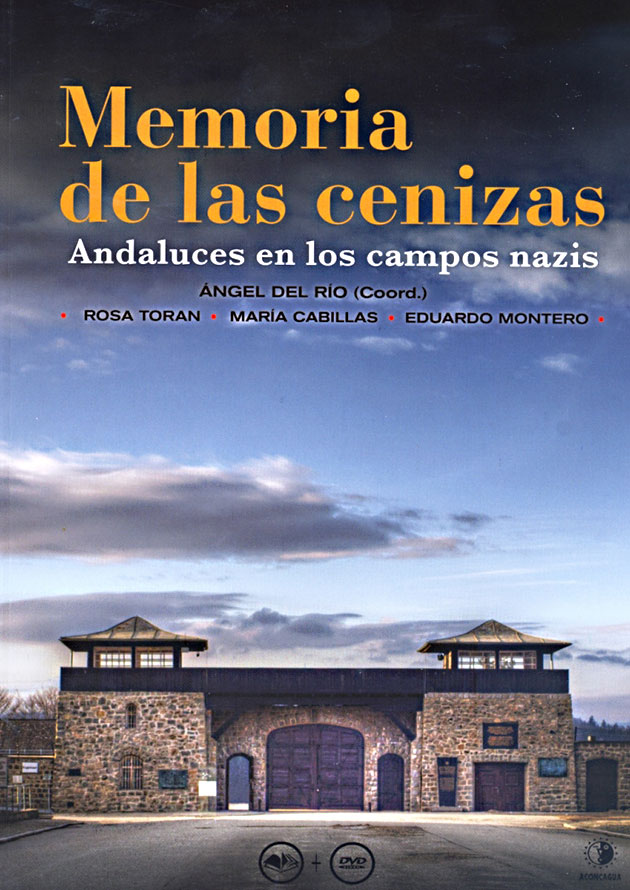
DEl RÍO, Ángel (2013). Nuevos sentidos del pasado franquista. Las políticas de la memoria en Andalucía
|
FECHA
|
TÍTULO | AUTOR | TIPO |
|---|---|---|---|
|
2013 |
Nuevos sentidos del pasado franquista. Las políticas de la memoria en Andalucía | Ángel DEL RÍO | Capítulo |
|
FECHA
|
TÍTULO | AUTOR | TIPO |
|---|---|---|---|
|
2013 |
Nuevos sentidos del pasado franquista. Las políticas de la memoria en Andalucía | Ángel DEL RÍO | Capítulo |
|
FECHA
|
TÍTULO | AUTOR | TIPO |
|---|---|---|---|
|
2013 |
Rapid response ethnographies in turbulent times: Researching mass grave exhumations in contemporary Spain | Francisco FERRÁNDIZ | Artículo |
|
Publication date
|
Title | Author(s) | Type |
|---|---|---|---|
|
December 2013
|
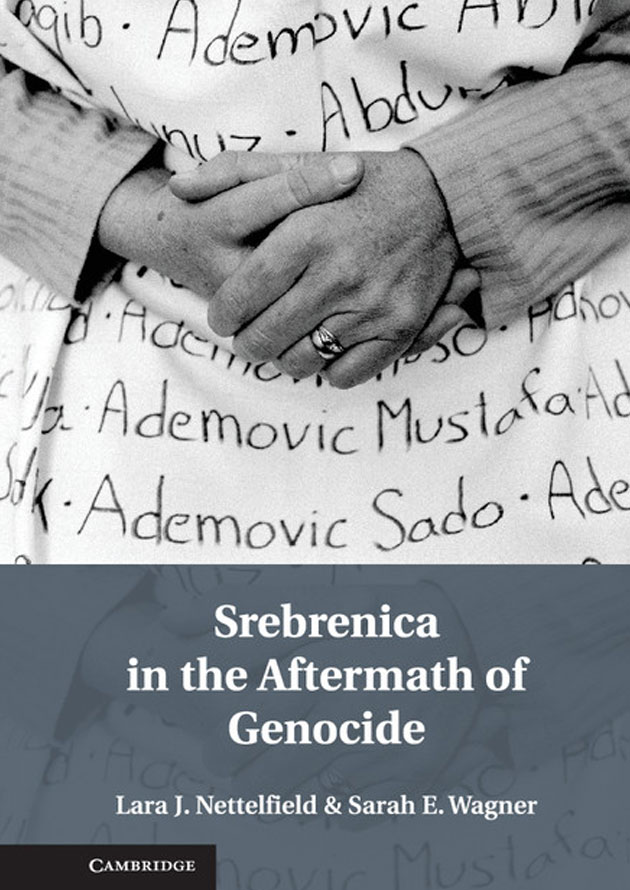
Srebrenica in the Aftermath of Genocide | Lara Nettelfield & Sarah Wagner | Book |
Abstract: : The fall of the United Nations “safe area” of Srebrenica in July 1995 to Bosnian Serb and Serbian forces stands out as the international community’s most egregious failure to intervene during the Bosnian war. It led to genocide, forced displacement, and a legacy of loss. But wartime inaction has since spurred numerous postwar attempts to address the atrocities’ effects on Bosnian society and its diaspora. Srebrenica in the Aftermath of Genocide reveals how interactions between local, national, and international interventions – from refugee return and resettlement to commemorations, war crimes trials, immigration proceedings, and election reform – have led to subtle, positive effects of social repair, despite persistent attempts at denial. Using an interdisciplinary approach, diverse research methods, and more than a decade of fieldwork in five countries, Lara J. Nettelfield and Sarah E. Wagner trace the genocide’s reverberations in Bosnia and abroad. The findings of this study have implications for research on post-conflict societies around the world.
Editorial: Cambridge University Press.
|
FECHA
|
TÍTULO | AUTORA | TIPO |
|---|---|---|---|
|
2013 |
Evidential regimes of forensic archaeology | Zoe CROSSLAND | Artículo |
|
FECHA
|
TÍTULO | AUTORES/AS | TIPO |
|---|---|---|---|
|
2013 |
Marks of autopsy and identification of victims of human rights violation exhumed from cementeries: the case of the Spanish Civil War (1936-1939) | Luis RÍOS Berta MARTÍNEZ Almudena GARCÍA-RUBIO Lourdes HERRASTI Francisco ETXEBERRIA |
Artículo |
|
Publication date
|
Title | Author(s) | Type |
|---|---|---|---|
|
agosto 2013
|
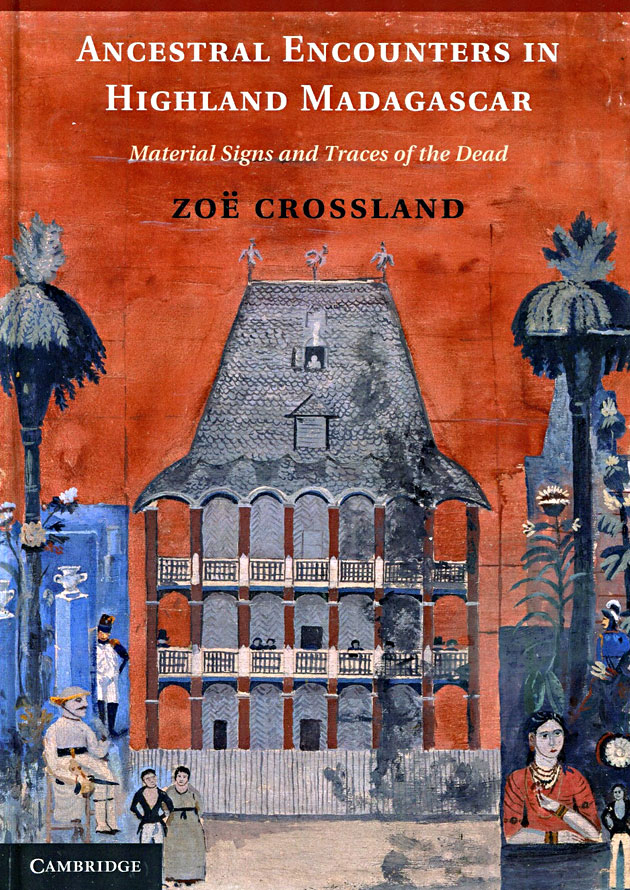
Ghosts of War in Vietnam | Heonik Kwon | Book |
Abstract: this is a fascinating study of the Vietnamese experience and memory of the Vietnam War through the lens of popular imaginings about the wandering souls of the war dead. These ghosts of war play an important part in postwar Vietnamese historical narrative and imagination and Heonik Kwon explores the intimate ritual ties with these unsettled identities which still survive in Vietnam today as well as the actions of those who hope to liberate these hidden but vital historical presences from their uprooted social existence. Taking a unique approach to the cultural history of war, he introduces gripping stories about spirits claiming social justice and about his own efforts to wrestle with the physical and spiritual presence of ghosts. Although these actions are fantastical, this book shows how examining their stories can illuminate critical issues of war and collective memory in Vietnam and the modern world more generally.
Editorial: Cambridge University Press
|
Fecha de publicación
|
Título | Autor(es) | Tipo |
|---|---|---|---|
|
2013
|
El caso Rocío. La historia de una película secuestrada por la transición | Ángel del Río, Francisco Espinosa y José Luis Tirado (Coords) | Libro |
Resumen : ROCÍO ha pasado a la historia como la primera película secuestrada judicialmente en España tras la derogación de la censura cinematográfica en 1977. Dirigida por Fernando Ruiz Vergara, con guión y producción de Ana Vila, y estrenada en 1980, a día de hoy continúa censurada por la sentencia vigente del Tribunal Supremo de 1984 que condenaba a su autor por delitos de injurias a quien la película apuntaba como cabecilla de la brutal represión en el pueblo de Almonte, cuna de la Romería de la Virgen del Rocío, durante el golpe militar de 1936.
ROCÍO fue también la única aportación desde la periférica Andalucía a los largometrajes documentales que emergieron en el cine español de la Transición para alimentar un discurso crítico y de recuperación de la memoria perdida durante el franquismo. La persecución judicial de la película supuso el final de la trayectoria del director, que se autoexilió en Portugal, lugar en el que vivió hasta su muerte en 2011. De una calidad cinematográfica extraordinaria, es un referente en la historia del cine documental en España.
El CASO ROCÍO es un proyecto colectivo que tiene por objeto rescatar del olvido y poner en valor la película Rocío. Este grupo interdisciplinar está formado por cineastas, historiadores, antropólogos, artistas e investigadores, cuyo denominador común es el referente que ha supuesto el film de Fernando Ruiz Vergara para cada uno de ellos en sus respectivos trabajos. La revisitación del caso Rocío lleva, necesariamente, a reflexionar sobre lo que ha significado la Transición española respecto a derechos civiles como la libertad de expresíón o la memoria democrática.
El proyecto EL CASO ROCÍO se desarrolla en tres soportes homónimos e independientes, a la vez complementarios, planteando diferentes niveles de acercamiento a la película Rocío y su historia: una producción documental videográfica, con la participación y los testimonios (entre otros) de los que realizaron el filme; la presente edición de este libro+disco, con diferentes artículosque tratan los temas que plantea Rocío y analizan lo que fue el proceso de censura de la película, edición que incluye 2 DVD-videos con los documentales Rocío (Ruiz Vergara, 1980) y El caso Rocío (José Luis Tirado, 2013); y en tercer lugar una página web, en construcción, con los archivos, documentos y materiales resultantes del proceso de investigación de este proyecto.
Editorial: Aconcagua Libros.
Ciudad: Sevilla.
ISBN: 978-84-96178-84-7
Páginas: 112
|
FECHA
|
TÍTULO | AUTORA | TIPO |
|---|---|---|---|
|
2013 |
The Evidentiary Regimes of Science & Sight: Forensic Science and the Exhumation of the Past | Lee E. DOUGLAS | Capítulo |
|
Fecha de publicación
|
Título | Autor(es) | Tipo |
|---|---|---|---|
|
2012 |
MEISELAS, S. H. HUGHES L. WEINSTEIN L. E. DOUGLASDOUGLAS, L. E. |
Artículo |
|
FECHA
|
TÍTULO | AUTORES/AS | TIPO |
|---|---|---|---|
|
2012 |
Exhumación, identificación y causa de muerte en la fosa común de Aibar-Oibar (Navarra) | Francisco ETXEBERRIA, Lourdes HERRASTI, Lorena LÓPEZ DE LA IGLESIA, Claudio ALBISU, Jimi JIMÉNEZ, Sergio CARDOSO, Miriam BAETA, Carolina NUÑEZ, Leire PALENCIA y Marian MARTÍNEZ DE PANCORBO | Artículo |
El pasado bajo tierra: exhumaciones y políticas de la memoria en la España contemporánea en perspectiva transnacional y comparada
Proyectos Asociados:
HISTOFOR: PID2024-159223NB-I00 (2026-20289
MEM2OR: BICON24084 (2025-2026)
NECROPOL: PID2019-104418RB-I00 (2020-2024)
SUBTIERRO: CSO2015-66104-R (2016-2019)
UNREST: H2020 REFLECTIVE-5-2015, ref. 693523 (2016-2019)
PASADO BAJO TIERRA: CSO2012-32709 (2013-2015)
ISTME: COST Action IS1203 (2012-2016)
POLMEM: CSO2009-09681 (2010-2013)
SPBUILD: 7PM MARIE CURIE, ITN 238589 (2010-2013)
PIE CSIC: 200710I006 (2007-2009). Las políticas de la memoria en la España contemporánea
Centro de Ciencias Humanas y Sociales - Consejo Superior de Investigaciones Científicas.
Despachos 1F25 y 1F18
C/Albasanz 26-28.
Madrid 28037 (España)
politicasdelamemoria@gmail.com